
Most Sustainable Fashion Brands 2026: Honest Guide
Sustainable fashion marketing claims are often unsubstantiated. This independent roundup uses third-party verification to identify genuine ethical brands, rather than relying on brand press releases.
How We Judged Sustainable Brands
Sustainable has become an overused term in fashion, applied to everything from budget fast fashion pieces to high-end outerwear. Most claims reflect marketing needs, not genuine ethical practice. This roundup is independent, with no paid sponsorship ties.
We used five measurable criteria to assess each brand: transparency of suppliers, wages and impact data; credible third-party certifications like GOTS, Fair Trade and B Corp; use of organic, recycled or lower-impact fibres; verified fair wages and safe working conditions across the supply chain; and durability and circularity, including repair schemes and build-to-last design.
We cross-referenced findings with Good On You, an independent rating platform, and referenced Fashion Transparency Index data showing the average major brand scores just 18% for transparency.
Standout Sustainable Fashion Labels
Patagonia remains a benchmark: it is a certified B Corp with a 166 B Impact score, over 90% of its line made in Fair Trade factories, and its Worn Wear repair service fixed nearly 175,000 items in 2025. It donates 1% of sales to environmental groups, though its aesthetic leans firmly outdoors-and-utility, and it continues to work to reduce emissions. Veja popularised ethical footwear, using wild Amazonian rubber, Brazilian organic cotton and recycled plastic. Good On You rates it ‘Good’, though it is less transparent about full labour conditions, and its shoes run narrow. It is priced above budget fast fashion.
Armedangels, a German label, produces most pieces in GOTS or GRS-certified facilities in Portugal and Turkey, holds Fair Wear Foundation membership, and has a ‘Great’ Good On You rating. It won a 2024 German Ecodesign Award for circular innovation, and makes clean European-cut wardrobe staples and denim. Nudie Jeans is a specialist in sustainable denim, with every pair made from 100% organic cotton, free lifetime repairs, and published supply chain data on each product page. It has held Fair Wear Foundation ‘Leader’ status for years, though its range is limited to denim and slim Scandinavian cuts may not suit all shoppers.
People Tree, a WFTO member since 1996, is the first clothing brand to carry the WFTO product label, with 90% of its products from Fair Trade suppliers and hand-woven, hand-printed pieces with near-zero processing emissions. Kings of Indigo, an Amsterdam-based denim and basics label, holds a ‘Great’ Good On You rating, uses organic cotton, and captures rainwater to cut supply chain water use, with pricing below luxury brands. Organic Basics offers GOTS-certified organic cotton underwear and essentials, with a ‘It’s a Start’ Good On You rating.
Stella McCartney is a leather- and fur-free luxury brand, with ETI membership and multiple certifications, though its pricing is out of reach for most shoppers. Pangaia holds Fair Wear Leader and B Corp status, but its carbon-neutral claims lack full third-party verification, with its 2026 recertification a key test.
The looks
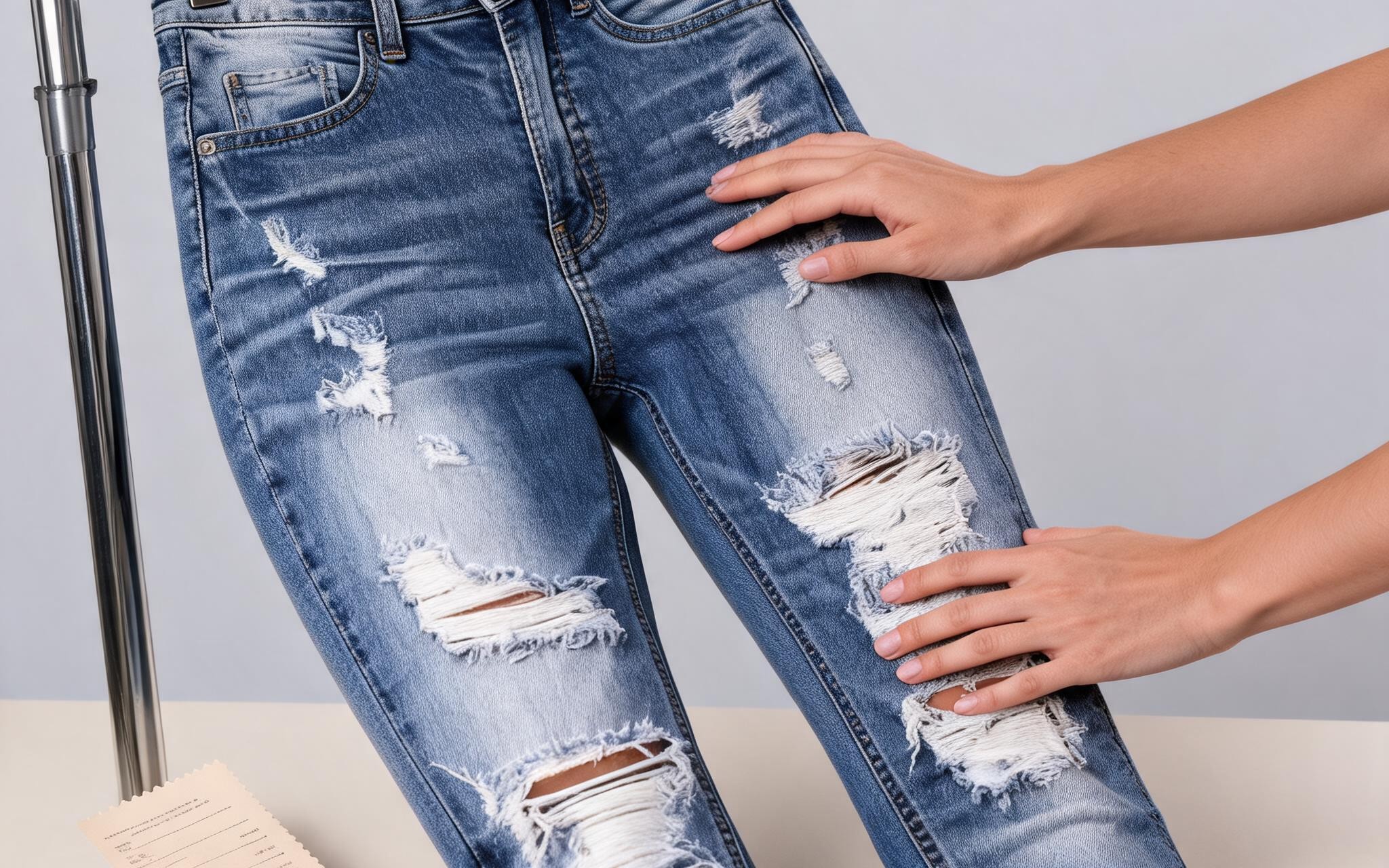
Real pieces in the store today, real prices, your size on the product page.


Secondhand Is the Lowest-Impact Choice
The most sustainable garment is the one you already own, according to independent data. Buying one secondhand piece saves roughly 1kg of waste, 3,040 litres of water and 22kg of CO2 versus buying new, per Vinted’s impact data. National Geographic experts confirm secondhand beats almost any new sustainable fashion purchase.
For shoppers on a tight budget, start with secondhand platforms like Vinted or Vestiaire, or local charity shops, prioritising the durable brands listed here. New and ethical fashion and secondhand pieces are complementary, not competitive: buy less, buy better, and buy used first.
The most sustainable garment is the one you keep.
WowStore’s Commitment
WowStore is an NL/EU conscious curator, bringing together considered fashion pieces in one place to avoid chasing multiple checkout pages. We do not claim to out-certify leading brands like Patagonia or Nudie Jeans, but we select brands and materials that meet the ethical criteria outlined in this guide.
Our core giving commitment is fixed: 5% of each sale goes to a cause you choose. We are building this into a broader ‘1% Movement’ for business giving, alongside curating a curated edit of sustainable fashion for men, women and new arrivals.
For shoppers new to ethical fashion, our guides to alternatives to Shein, Zara and Primark, plus our full fast fashion alternative guide, offer further support.
Frequently Asked Questions
What makes a fashion brand genuinely sustainable? Look for third-party certifications, published supplier lists and impact data, lower-impact materials, and durability features like repair or resale schemes. Treat unsubstantiated claims with caution.
Are sustainable brands always expensive? Often, as fair wages and better materials incur higher costs, but not always. Brands like Kings of Indigo sit below luxury pricing, and buying listed brands secondhand makes them more affordable while cutting impact further.
Is secondhand really better than bu
Create your avatar (free) and see any piece on you before you decide. Lucy, our AI stylist, builds the look from what you tell her. If the piece you have in mind is not on this page, ask her: she can show any piece in the store on your avatar and, once you have bought a look, make a short film of it. Then play today's styling brief, invite a friend and share your moment.
Makeover in the Magic MirrorAsk LucyPlay today's brief
Photographs marked "AI render" are AI-generated illustrations; product images are the real pieces. Lucy, our stylist, is AI. 5% of each sale goes to a cause you choose.
Fashion Brands That Give Back: A Verify-First Guide
Ethical Alternatives to Fast Fashion: 2026 Guide
Related Posts

Herenkleding online: welke maten er deze week op voorraad liggen, wat het kost en hoe lang het duurt

Women's fashion in Eindhoven: three looks for the city, sizes in stock, real prices, tried on you first

Sustainable fashion in the Netherlands: how we choose, what it costs, three pieces

What to wear to Dutch Design Week 2026: three looks, one rule, nine days on foot in Eindhoven

WowStore vs Zara: Honest Comparison (2026)

WowStore vs Shein: Honest Comparison (2026)

WowStore vs Primark: An Honest Comparison


