
WowStore vs Zara: Honest Comparison (2026)
A head-to-head comparison of two women’s fashion brands for Netherlands and EU shoppers, weighing speed, price, ethics and curation to choose the right option for each purchase.
Core Brand Differences at a Glance
Both Zara and WowStore sell women’s fashion across the Netherlands and EU, but their offerings and values diverge sharply. Zara is part of the world’s largest fast-fashion group, while WowStore is a small, conscious curator built around ethical shopping practices.
Zara offers wider range, faster trends, lower upfront prices and broader availability, while WowStore stands out for curated selection, sustainable values and a giving model tied to every sale. This breakdown outlines trade-offs to help shoppers pick the right brand for each specific purchase, rather than assuming one brand works for all needs.
Price and Cost-Per-Wear Math
Zara’s upfront prices are lower, thanks to its parent company Inditex’s vertical integration and fast inventory turnover. The brand’s dresses often cost between €25 and €60, with unit costs kept low by in-house dyeing and finishing near its Spanish headquarters, and 12 annual inventory turns compared to the industry average of three to four.
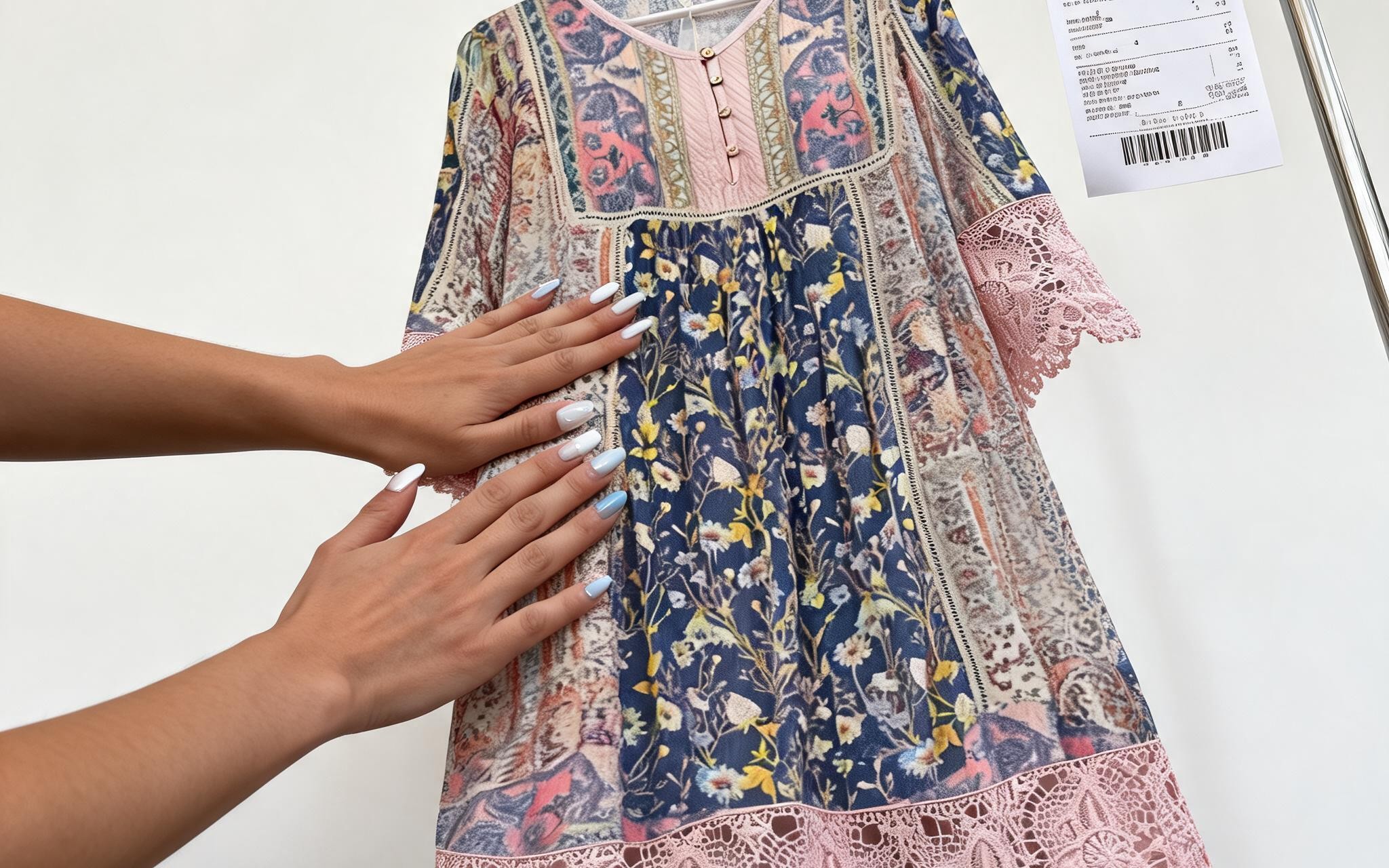
WowStore items typically cost more per piece than Zara’s offerings. The brand’s counter to this higher upfront cost is cost-per-wear: a €35 Zara dress worn four times before pilling works out to nearly €9 per wear, while a €90 WowStore piece in durable fabric that lasts 50 wears costs under €2 each time. The maths flip depends on how often the shopper actually wears the item.
The looks
Real pieces in the store today, real prices, your size on the product page.


Range, Speed and Convenience
Zara has a notable edge on breadth and speed. The brand moves garments from design to shelf in two to three weeks, with constant new style drops and thousands of options across dresses, tailoring, knitwear and basics, plus deep size runs. Most European cities have Zara stores for in-person try-ons and free in-store returns.
WowStore does not aim to match this scale. Its catalogue is a curated edit, with fewer choices by design, which is a core part of its conscious shopping model. If a shopper needs wide selection or same-day availability for a last-minute event, Zara is the better fit.
If you want the newest look cheaply and fast, Zara. If you want to buy less, buy better, and have your spending mean something, WowStore.
Quality, Ethics and Giving Models
Zara’s quality is variable: some pieces are well made, but many rely on polyester and elastane blends that wear out or lose shape quickly, a side effect of producing hundreds of millions of garments annually at speed. Its Join Life line uses more responsible materials, but watchdogs cite poor supply chain transparency and greenwashing concerns over highlighting the sub-line while most production remains conventional.
WowStore curates its selection toward longevity and natural fibres, tilting the odds of durable, long-wearing pieces. The brand is honest that it is still building out supplier disclosure as a newer, smaller business. Its key differentiator is the verified giving model tied to every order.
Shipping, Returns and Ideal Shoppers
Zara’s logistics are robust: in the Netherlands, standard delivery costs €3.95, with free delivery over €50 on full-price items, arriving in three to four working days, plus 30-day return windows including free in-store returns. WowStore ships across the Netherlands and EU, focusing on care and proximity rather than multinational scale, with slower delivery times for guaranteed next-week options.
Zara suits shoppers wanting trend pieces while they are current, needing wide selection for a last-minute event, working with a tight budget, or buying items they will wear a handful of times rather than for years. WowStore fits shoppers who want to buy less and buy better, prefer a curated wardrobe of repeat-wear pieces, and care about their spending supporting a charitable cause.
Create your avatar (free) and see any piece on you before you decide. Lucy, our AI stylist, builds the look from what you tell her. If the piece you have in mind is not on this page, ask her: she can show any piece in the store on your avatar and, for the pieces you choose, make a short film of the look. Then play today's styling brief, invite a friend and share your moment.
Makeover in the Magic MirrorAsk LucyPlay today's brief
Photographs marked "AI render" are AI-generated illustrations; product images are the real pieces. Lucy, our stylist, is AI. 5% of each sale goes to a cause you choose.
WowStore vs Shein: Honest Comparison (2026)
What to wear to Dutch Design Week 2026: three looks, one rule, nine days on foot in Eindhoven
Related Posts

Herenkleding online: welke maten er deze week op voorraad liggen, wat het kost en hoe lang het duurt

Women's fashion in Eindhoven: three looks for the city, sizes in stock, real prices, tried on you first

Sustainable fashion in the Netherlands: how we choose, what it costs, three pieces

What to wear to Dutch Design Week 2026: three looks, one rule, nine days on foot in Eindhoven

WowStore vs Shein: Honest Comparison (2026)

WowStore vs Primark: An Honest Comparison


