
Fashion Trends 2026: What Is Actually Changing For Shoppers
This guide explains practical changes coming to fashion shopping in 2026, with simple steps you can use right away.
The end of vague marketing language
From 27 September 2026, shops across the EU can no longer use general blanket claims on clothing. You will stop seeing the one-word tags and vague landing page phrases that became common over recent years. Every claim about a garment will need to be specific, and backed by independent verification. This is not a brand trend, this is a rule that applies to every shop selling to anyone inside the EU. When you browse this year, you will notice product pages look different. There will be less descriptive copy, and more specific details about materials, construction and expected garment lifespan. If a brand displays a label mark such as GOTS, OEKO-TEX or Fairtrade, that label has standardised public rules you can look up independently for yourself. No shop will be allowed to display these marks without valid verification for each individual product.
Checking garment details properly
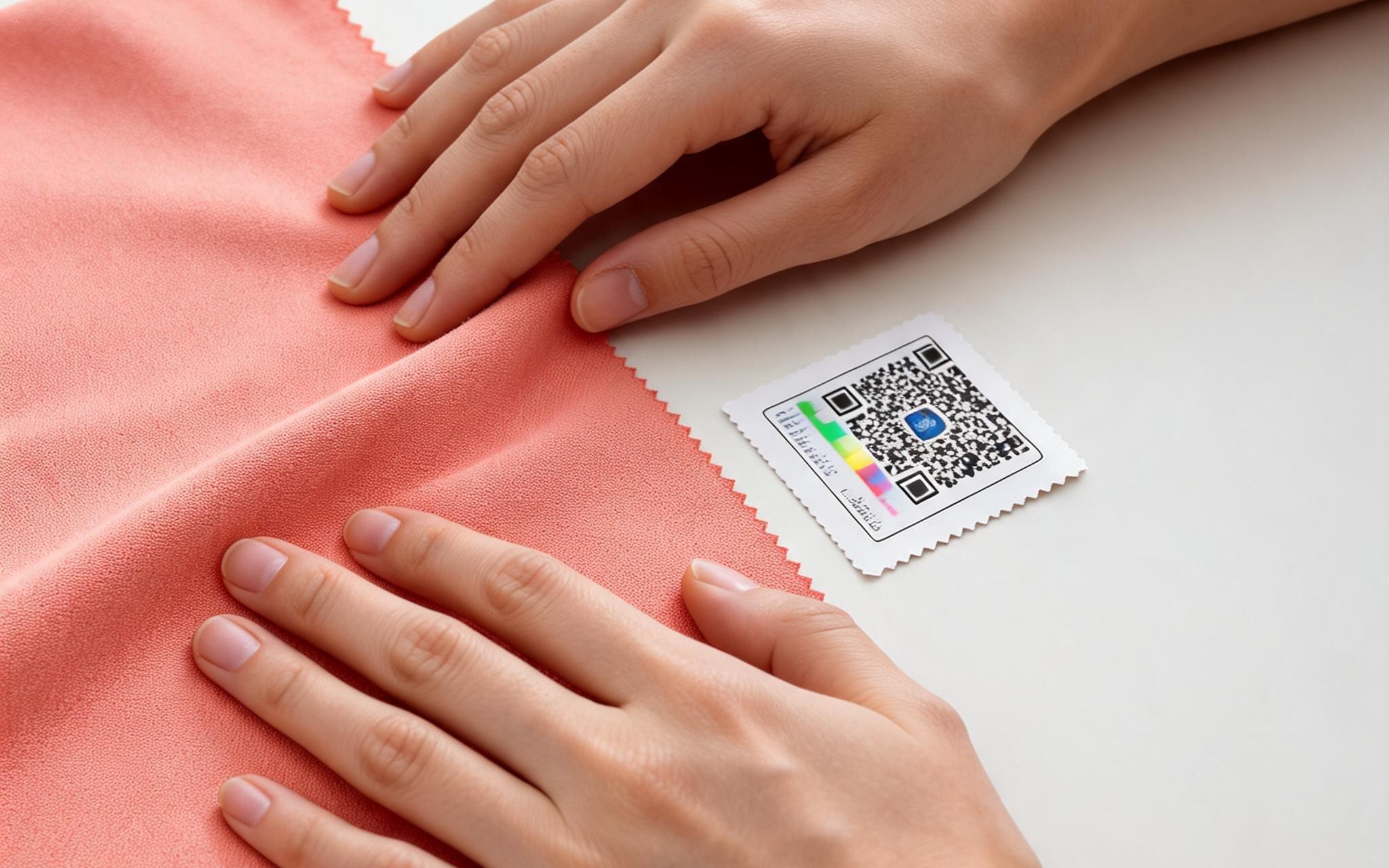
Before you add anything to your basket, take 30 seconds to check three simple things. First: confirm the fit. A garment that fits well will be worn far more often than one you adjust constantly or keep meaning to alter. Use the size calculator to get measurements right before you order. Second: look for clear washing and care instructions. Garments do not wear out by accident. Most are set aside because they were cared for incorrectly, shrunk, stained or lost shape long before they wore through. You can find common care routines in the fabric care guide. Third: count how many things you already own that this piece will work with. You do not need 12 new tops. You need one top that works with 12 things you already hang in your wardrobe.
Garments built for repeat wear
One clear shift you will see across shops in 2026 is more space given to garment construction details, instead of just style photos. You will see notes on stitch count, seam finish, hardware quality and fabric weight. These are not random technical details. All of these things tell you how many times you can reasonably expect to wear a piece. This is a very good change. You can now make a fair estimate of cost per wear before you buy. For example: a €60 coat worn 60 times costs €1 per wear. A €20 top worn twice costs €10 per wear. That is the simple maths that matters, not the price tag alone. Browse Timeless Dresses and Timeless Cardigans for pieces designed to work across multiple seasons.
Planning your wardrobe instead of following trends
This year more shoppers are building small, flexible wardrobes instead of buying every new seasonal style. This is not about denying yourself nice things. It is about buying the thing you actually want, instead of three things you saw on a feed that you will not wear next month. You can map out combinations for things you already own, and test new pieces against them, in the Virtual Closet. You can also try full outfit combinations before you buy anything in the Mix & Match Studio. There is no rule that says you have to replace anything until it actually no longer serves you. You can wear the same jacket every day for three years if that is what you like. No one is keeping score.
Repair and pass on
You will notice in 2026 that more product pages include simple repair instructions for common issues like loose buttons, broken zips and pulled seams. Most small garment faults take less than 10 minutes to fix, with basic tools you likely already have at home. You do not need to be good at sewing. There are clear video guides for every common repair, that only require three simple hand stitches. When you are finished with a garment, pass it on to someone who will wear it, or pass it through a resale service. Almost no garment has reached the end of its use when you decide you no longer want it.
What you can do today
You do not have to wait for new rules to come into force to shop well. Start with one small change this week. Go through one section of your wardrobe and pull out anything you have not worn in 12 months. Set it aside to pass on. Next time you go to buy something, open your virtual closet first and check that it will match at least three items you already own. Always check the care label before you order. If you do not own the supplies required to wash it properly, do not buy it. 5% of each sale goes to a cause you choose.
Where to start in the store: Everyday Clothing, Sweaters & Cardigans, Jackets & Coats and Women's Accessories.
Pieces to try in the Dressing Room
Real pieces you can order now. Open one and try it on your avatar in Magic Mirror before you decide; your size and today's price are on the product page.


A note on labels: WowStore does not hold any of the certificates named in this guide today, and we do not use them to describe our products. We explain them so you can read a label with confidence wherever you shop.
How giving works when you shop with us
5% of each sale goes to a cause you choose. After your order you pick one of three causes: CARE International, Cool Earth or Project Zero. The donation is paid out through PayPal Giving Fund UK. Those three causes, together with how we run our own store (honest product data, fair prices), are matched to 11 of the 17 UN Sustainable Development Goals.
That is the heart of the 1% Movement: small choices × millions of us = change. It is a giving promise we can show you, and it is the only promise we make on this page.
Questions people ask
Will all shops change their product pages by September 2026?
All shops selling goods to people within the EU must follow the new rules from that date. You may see changes roll out over the months before the deadline. If you see language that looks like an old general claim, you can report this through the national consumer authority in your country.
How do I check if a label claim is real?
Any official third party label has a public website that explains exactly what the certification means. You can also enter the number printed on the product tag to verify that specific garment. Never trust a logo alone without checking.
Is it ok to still buy seasonal new pieces?
Yes. There is no rule that you can only buy plain timeless items. Buy any style you like, just check first that it fits well, you know how to care for it, and you will actually wear it more than a handful of times.
What is cost per wear?
Cost per wear is the price of the garment divided by the number of times you expect to wear it. This is a simple way to compare the actual value of different pieces, instead of just comparing the upfront price.
Alternatives to Fast Fashion: Practical 2026 Guide
WowStore vs H&M: Shopper's Comparison Checklist
Related Posts

What to wear to ADE 2026: five nights in Amsterdam in October

Herenkleding online: welke maten er deze week op voorraad liggen, wat het kost en hoe lang het duurt

Women's fashion in Eindhoven: three looks for the city, sizes in stock, real prices, tried on you first

Fashion in Amsterdam: how to choose pieces you will keep long

What to wear to Dutch Design Week 2026: three looks, one rule, nine days on foot in Eindhoven

WowStore vs Zara: A Shopper's Neutral Comparison Checklist

WowStore vs Shein: A Neutral Shopper's Comparison Checklist


