
Ethical Alternatives to H&M: Where to Shop in the EU
H&M is accessible and publishes more supply-chain data than most rivals, but regulators have flagged its sustainability marketing. Here is what to check instead and where in the EU to shop.
The tension at the checkout
H&M taught a generation to buy a new top for the price of a coffee. It is genuinely accessible: prices are low, sizing is broad, stores are everywhere, and the company publishes more supply-chain data than most of its rivals. For people on a tight budget, it is the realistic option, and pretending otherwise helps no one.
The problem is not that H&M sells affordable clothes. It is the gap between how the clothes are marketed and what the evidence shows. That tension is why "ethical alternatives to H&M" has become a common search.
What regulators and researchers found
In 2022 the Norwegian Consumer Authority warned H&M that marketing garments as more sustainable using Higg Materials Sustainability Index scores risked breaching the country's marketing laws, calling the claims potentially misleading. The Higg MSI measured material impact only up to the point the fabric was made, leaving out manufacturing, use and disposal. A "more sustainable" label rested on a partial picture.
The fallout was large enough that the Sustainable Apparel Coalition suspended the consumer-facing labels entirely, and the Norwegian and Dutch regulators jointly issued guidance on how the tool would have to change.
A 2021 Changing Markets Foundation investigation found that roughly 60% of sustainability claims across major fashion brands were misleading. H&M topped the list, with the report flagging the overwhelming majority of its claims as unsubstantiated. The Conscious Choice line, sold as the greener option, actually contained a higher share of synthetic, fossil-fuel-based fibres than H&M's main range.
The looks
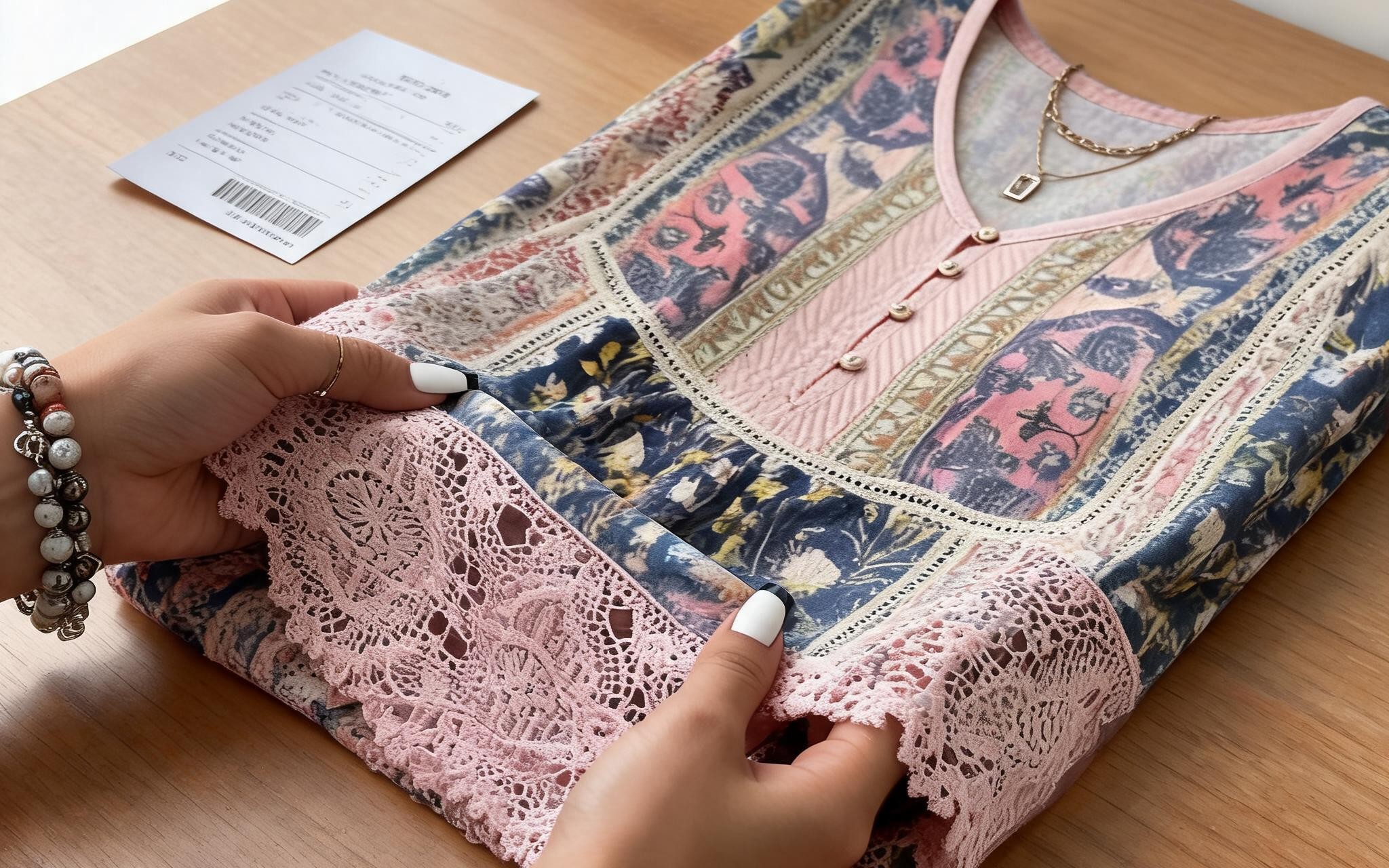
Real pieces in the store today, real prices, your size on the product page.


The wage promise and the scale problem
In 2013 H&M published a "Roadmap towards a Fair Living Wage" and said 850,000 textile workers would be reached by 2018. When 2018 arrived, the Clean Clothes Campaign reported that not a single worker in the factories it surveyed was earning a living wage, and that the original targets had quietly disappeared from H&M's website. The company kept publishing wage commitments; the specific, measurable promise did not survive.
H&M moves enormous volumes of clothing every year, and a fast-fashion model depends on that throughput. The garment-collecting bins are real and have gathered over 172,000 tonnes of textiles since 2013, but H&M itself acknowledges that only a small share of collected items can currently be turned back into new textiles. Collection is not the same as recycling, and a takeback bin does not cancel out overproduction.
The EU's Empowering Consumers for the Green Transition Directive amends consumer-protection law to ban vague green claims, offset-only "climate neutral" labels, and self-invented sustainability badges, with enforcement tightening across member states through 2026. A lot of the marketing language shoppers grew used to is, increasingly, not legal to use.
Collection is not the same as recycling, and a takeback bin does not cancel out overproduction.
What a credible alternative looks like
"Sustainable" on a swing tag means almost nothing on its own. What is worth checking, whichever brand you land on: named materials, named factories or suppliers, real percentages. If a brand can only offer adjectives, treat it the way a regulator now would.
Look for natural and certified fibres, recycled content with a percentage attached, and honesty about synthetic blends rather than burying them. Construction, fabric weight and timeless cut matter more than any green label. Look for brands that name benchmarks and report against them, not ones that publish a glossy roadmap and remove the targets later.
Practical EU logistics matter too: shipping from within the EU, clear return policies, and prices in euros. Cross-border returns to another continent quietly undo a lot of good intentions.
Where to shop in the EU
There is no single replacement, and you should be suspicious of anyone who tells you there is. A good wardrobe usually mixes a few approaches.
WowStore is a Netherlands-based conscious fashion and lifestyle store built around quiet-luxury curation rather than catalogue sprawl. The idea is fewer, better pieces: clean silhouettes that hold their shape and stay wearable past one season. It ships across the EU, prices in euros, and the model is values-first. WowStore is newer and smaller than H&M, and worth choosing for what it is rather than scale it does not claim. Good places to start are sustainable fashion and new arrivals.
Secondhand and resale: the lowest-impact garment is one that already exists. Vinted, originally a Lithuanian platform and now large across the EU, plus local Dutch and Belgian Marktplaats-style listings, let you buy quality pieces for less than H&M charges new. It takes more patience than one-click checkout, but nothing beats it on footprint.
Established European sustainable labels: Armedangels (Germany) and Kings of Indigo work with organic cotton and published supply-chain detail, and they have been at it long enough to have a track record. They cost more than H&M. That is the honest trade-off of clothes made under conditions you can actually check.
Why WowStore, and how to switch
Two things set WowStore apart, and both are concrete rather than slogans. First, the giving model. 5% of each sale goes to a cause you choose. Not 5% of profit, which is the figure brands lean on when they want a headline without a real commitment, since profit can be engineered down to almost nothing. Five percent of revenue comes off the top of every order, whether or not the company has a good month.
Second, the thinking. WowStore frames itself as part of a "1% Movement": the premise that it does not take everyone to shift an industry, only a committed 1% of shoppers consistently choosing better. The 1% is the movement, the adoption thesis, the people. The 5% is the money that goes to the cause. Keeping those numbers separate matters, because conflating donation figures with movement language is exactly the kind of fuzziness that got bigger brands into trouble.
You do not need to bin your wardrobe and start over. That would be its own kind of waste. Build a small capsule: a handful of pieces that work together beats a closet full of single-outfit buys. Curated ranges like activewear or a few well-chosen staples go further than they look. Buy less, buy better. Spend the same annual budget on fewer, sturdier items; the per-wear cost usually drops. Wash cold, line dry, repair small damage early. Most garments die from neglect, not wear.
Be realistic about takeback. Dropping clothes in a store bin is better than landfill, but it is not recycling in the way the bins imply. Reselling, donating to people who will wear the item, or repairing beats the bin. When you do buy new, somewhere like jewellery is where a single considered item can replace several throwaway ones. H&M still suits some people honestly: dressing growing kids, a one-off item on a hard budget, a specific trend piece. The case is not that nobody should ever shop there. It is that you should not mistake it for a sustainability choice.
Create your avatar (free) and see any piece on you before you decide. Lucy, our AI stylist, builds the look from what you tell her. If the piece you have in mind is not on this page, ask her: she can show any piece in the store on your avatar and, once you have bought a look, make a short film of it. Then play today's styling brief, invite a friend and share your moment.
Makeover in the Magic MirrorAsk LucyPlay today's brief
Photographs marked "AI render" are AI-generated illustrations; product images are the real pieces. Lucy, our stylist, is AI. 5% of each sale goes to a cause you choose.
Ethical Alternatives to ASOS: 4 Conscious Picks
Ethical Alternatives to Zara: 4 Conscious Picks
Related Posts

Herenkleding online: welke maten er deze week op voorraad liggen, wat het kost en hoe lang het duurt

Women's fashion in Eindhoven: three looks for the city, sizes in stock, real prices, tried on you first

Sustainable fashion in the Netherlands: how we choose, what it costs, three pieces

What to wear to Dutch Design Week 2026: three looks, one rule, nine days on foot in Eindhoven

WowStore vs Zara: Honest Comparison (2026)

WowStore vs Shein: Honest Comparison (2026)

WowStore vs Primark: An Honest Comparison


