
Ethical Alternatives to ASOS: 4 Conscious Picks
A practical guide to ethical alternatives to ASOS, breaking down the retailer’s strengths and pitfalls, plus curated options for shoppers prioritizing values over a sprawling catalogue.
The case for and against ASOS
ASOS has clear strengths for many shoppers: an enormous product range, free and easy returns, and as a UK-listed retailer, reliable order fulfilment. This combination can feel hard to walk away from.
But the retailer’s business model has downsides. Online fashion returns average 40% of orders, with a large share of returned items ending up in landfill rather than back on shelves. ASOS publishes a supplier list and ranks comparatively well in Fashion Revolution’s Fashion Transparency Index, but its 2022 greenwashing investigation by the UK’s Competition and Markets Authority focused on vague 'Responsible edit' claims, with some products containing just 20% recycled fabric.
In 2024, ASOS signed formal undertakings with the CMA to stop using unsubstantiated green terms, clearly state material percentages, and remove misleading nature imagery. The EU’s Empowering Consumers for the Green Transition Directive, which bans generic green claims without evidence, will take effect in September 2026, building on a 2020 Commission study that found over half of environmental claims were vague, misleading or unfounded. The retailer also posted an adjusted pre-tax loss of around £29 million in its 2024 financial year, with ongoing financial pressure threatening its sustainability commitments.
What makes a genuine ethical alternative?
The word 'ethical' has been overused, so use a practical checklist to vet brands. Look for verified transparency, specific material percentages rather than vague marketing, durable natural or recycled fibres, clear information on worker treatment, and a business model that avoids overproduction.
Practicality matters too: for shoppers in the Netherlands or wider EU, this means straightforward shipping, easy returns, and no surprise customs charges. No single brand will meet every checklist point, so be wary of any that claims to.
The looks
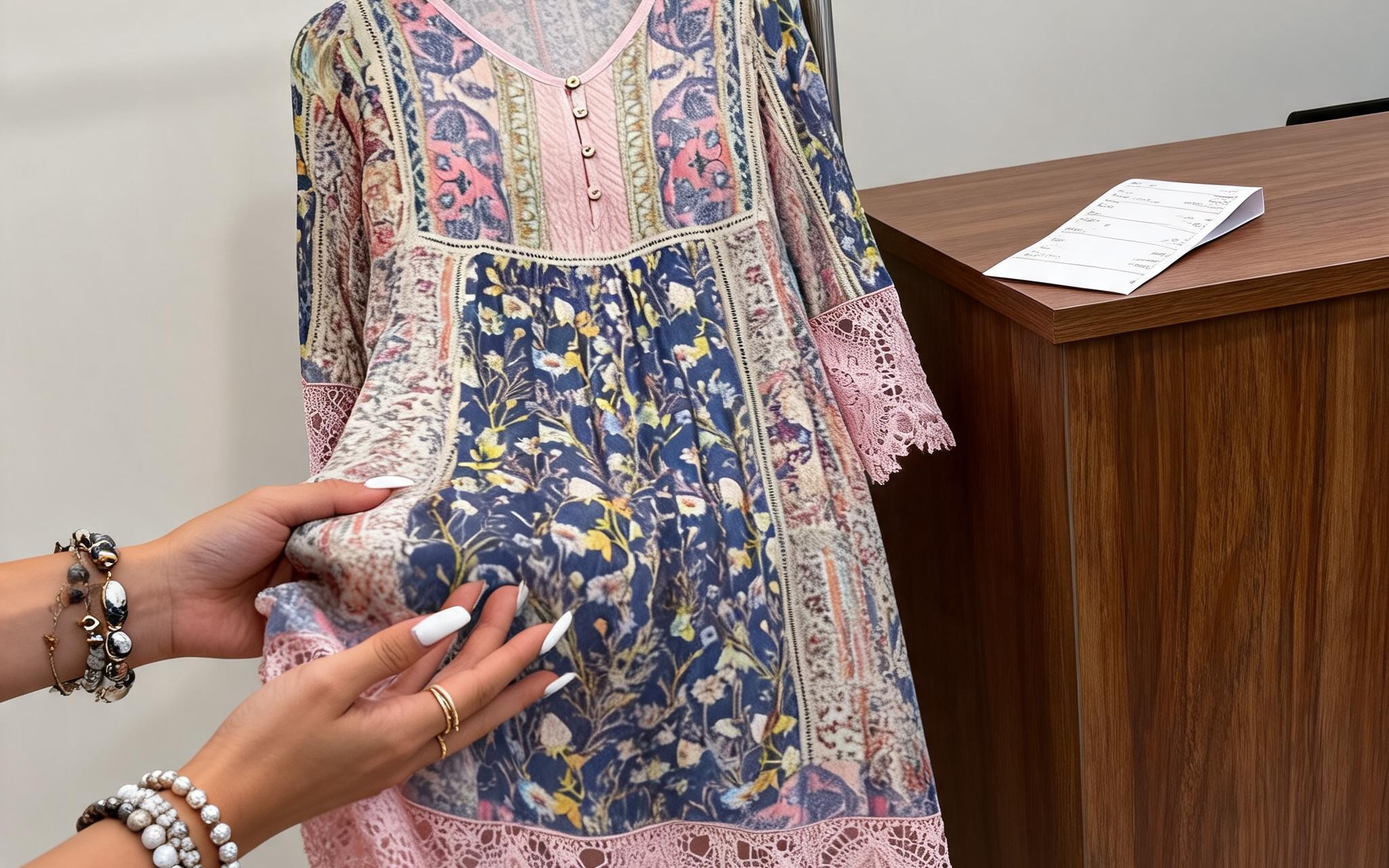
Real pieces in the store today, real prices, your size on the product page.


Four curated ethical alternatives
First is WowStore, a Netherlands-based conscious fashion retailer with a curated, quiet-luxury edit focused on longevity rather than fast fashion churn. It does not invent false certifications, ships across the EU, and donates 5% of each sale to a cause you choose.
Second is Vinted and secondhand shopping: the most ethical garment is often one that already exists, extending an item’s life and keeping it out of waste streams. It is popular across the Netherlands and EU, with low prices, but has trade-offs including variable sizing and condition. Use it for staples and one-off finds.
Third are established EU sustainable labels like Germany’s Armedangels and Sweden’s Nudie Jeans. Both have built supply-chain transparency, use organic and recycled materials, with Nudie Jeans offering free repairs to extend denim’s lifespan. These brands cost more than ASOS, with prices reflecting materials and labour rather than volume.
The fourth alternative is ASOS itself, used differently. The highest-impact change for existing shoppers is to buy less, return almost nothing, order the correct size, read product compositions, and keep items for longer. A disciplined ASOS shopper causes less harm than a reckless shopper at any retailer.
A sustainability filter on a giant catalogue is not the same as a sustainable company.
Why choose WowStore?
Beyond its curated collections and donation model, WowStore is built around the 1% Movement: a committed minority of shoppers choosing values over convenience, who can shift markets over time. The brand keeps the 5% donation separate from this movement to avoid the vague green claims now regulated by authorities.
Shoppers can start with the women’s fashion and men’s fashion collections, with dresses and jewellery ideal for building a curated look rather than replacing basic staples.
Who should switch, and who can stay with ASOS?
Switch to an ethical alternative if you care about where your money goes, dislike the culture of high fashion returns, or prefer to own fewer, better-quality pieces rather than refresh your wardrobe constantly.
Stay with ASOS for now if you need its scale, wide size range, or fast access to a very specific trend item, and are willing to shop carefully. ASOS’s transparency reporting is stronger than many fast-fashion peers, and a disciplined approach to its shopping can still reduce your environmental impact.
Create your avatar (free) and see any piece on you before you decide. Lucy, our AI stylist, builds the look from what you tell her. If the piece you have in mind is not on this page, ask her: she can show any piece in the store on your avatar and, once you have bought a look, make a short film of it. Then play today's styling brief, invite a friend and share your moment.
Makeover in the Magic MirrorAsk LucyPlay today's brief
Photographs marked "AI render" are AI-generated illustrations; product images are the real pieces. Lucy, our stylist, is AI. 5% of each sale goes to a cause you choose.
Ethical Alternatives to Shein: Where to Shop Instead
Ethical Alternatives to H&M: Where to Shop in the EU
Related Posts

Herenkleding online: welke maten er deze week op voorraad liggen, wat het kost en hoe lang het duurt

Women's fashion in Eindhoven: three looks for the city, sizes in stock, real prices, tried on you first

Sustainable fashion in the Netherlands: how we choose, what it costs, three pieces

What to wear to Dutch Design Week 2026: three looks, one rule, nine days on foot in Eindhoven

WowStore vs Zara: Honest Comparison (2026)

WowStore vs Shein: Honest Comparison (2026)

WowStore vs Primark: An Honest Comparison


